
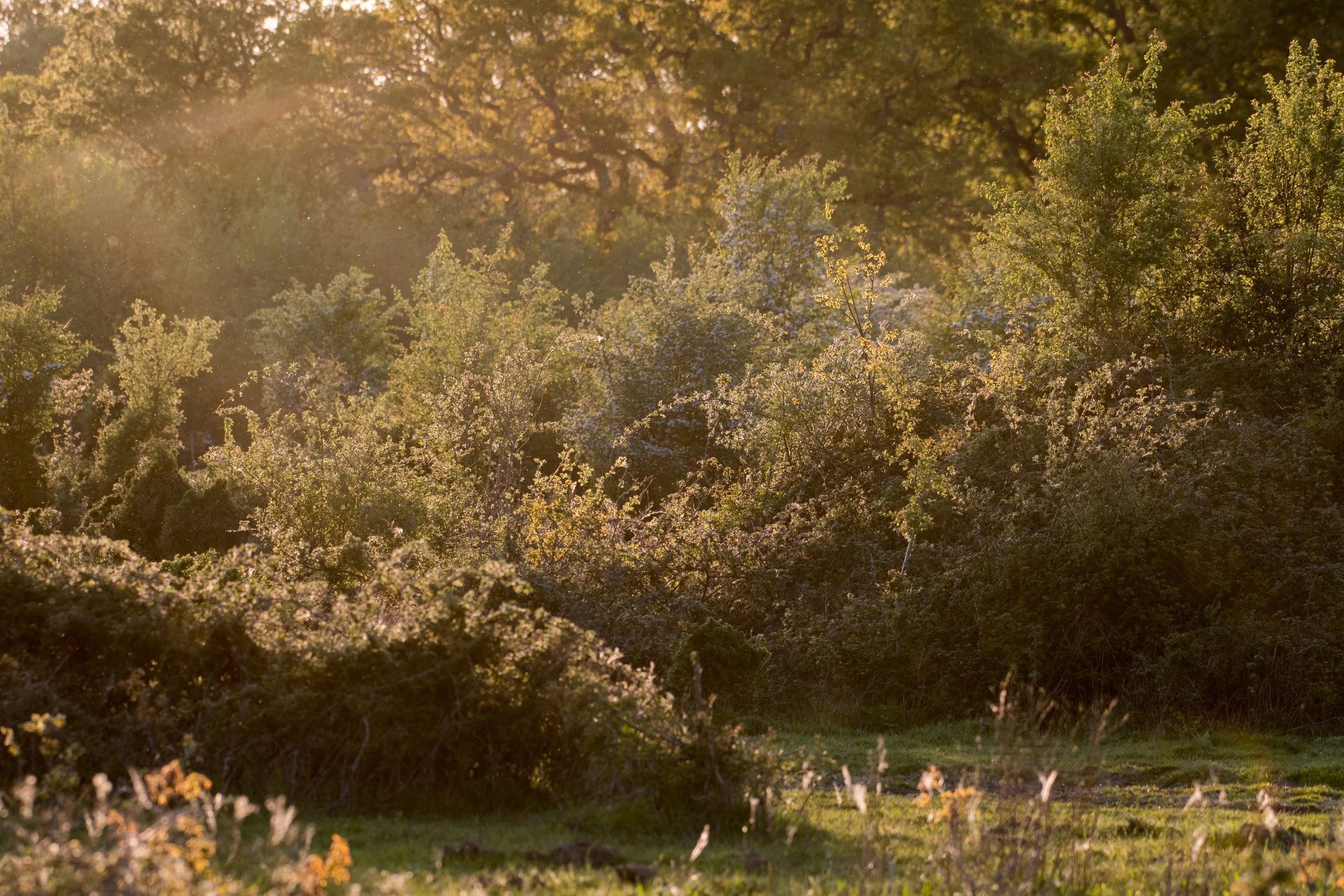
Rewild the Natural History GCSE

Help shape the New Natural History GCSE: have your say on how young people learn about nature.
Studying natural history gives young people valuable insights into the wonders of the natural world, an understanding of the impacts of human actions on the planet, and how to reverse dangerous trends. This GCSE should inspire young people to become advocates for nature, taking an active role in its recovery.
Rewilding is an exciting subject, providing well-evidenced grounds for optimism and hope. It’s an astonishingly effective approach to nature recovery and there are numerous examples at every scale across the UK. Knepp’s experience has shown that the restoration of dynamic habitats and species reintroductions are especially compelling for young people.
We are asking for rewilding to be strongly integrated into the GCSE's content. This is something you can help to shape. The consultation includes an online form, and there is also the option to respond by email. We have reviewed the consultation and put together a template you can use.
To ask for rewilding to be incorporated into the course, you can:
Use our suggested responses to complete the online form.
OR
Copy and paste our template into an email.
Add what rewilding means to you, or how you think your children, family, or society would benefit from rewilding the curriculum.
Add your name.
Send this to nhgcse.consultation@education.gov.uk
Email template
Subject: Natural History GCSE Consultation Response
Dear Department for Education Qualifications Policy Team,
I am writing in response to the consultation on the proposed subject content of the Natural History GCSE. I feel strongly that rewilding should be directly referred to in the GCSE content and its principles integrated throughout the curriculum.
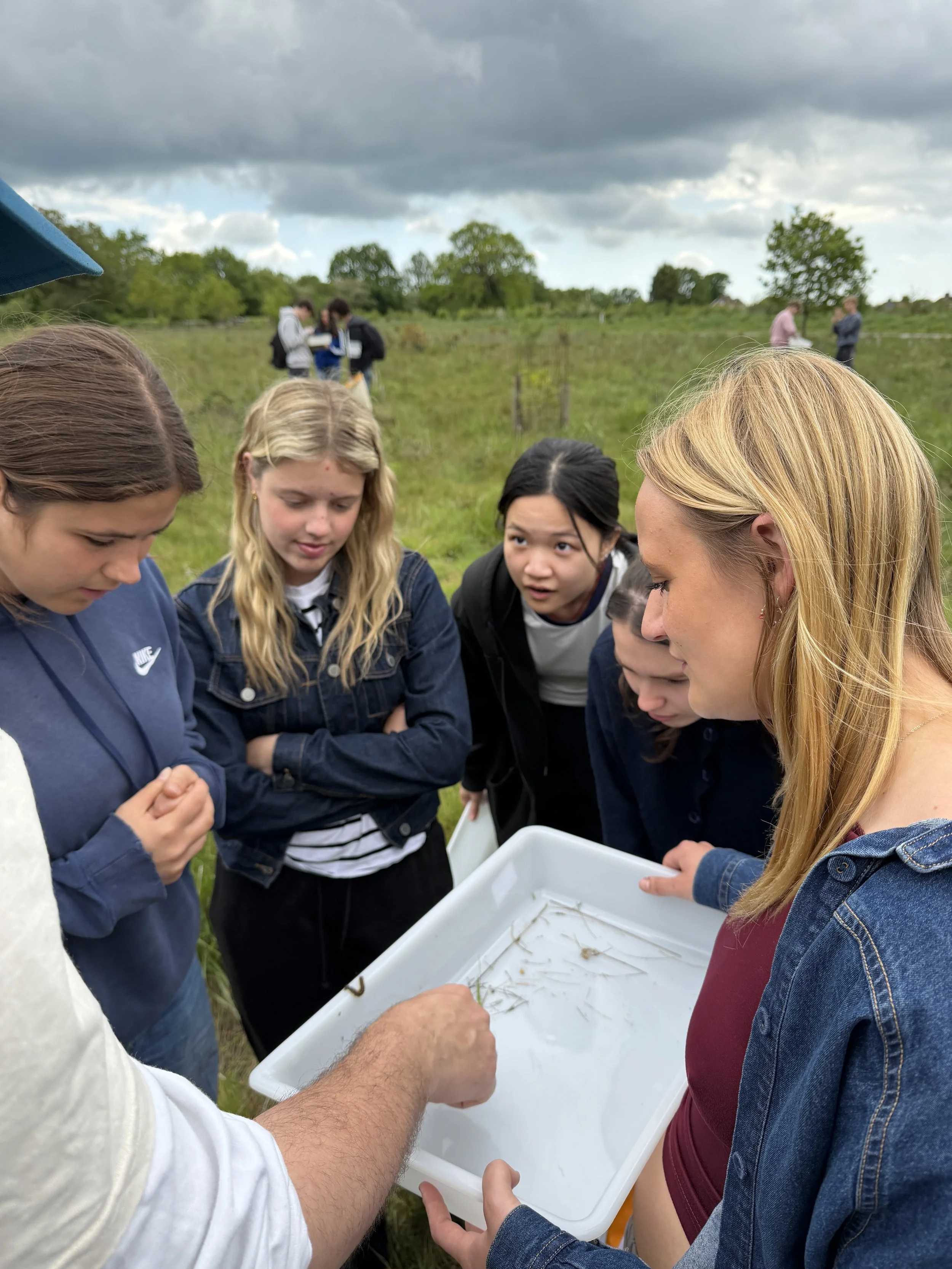
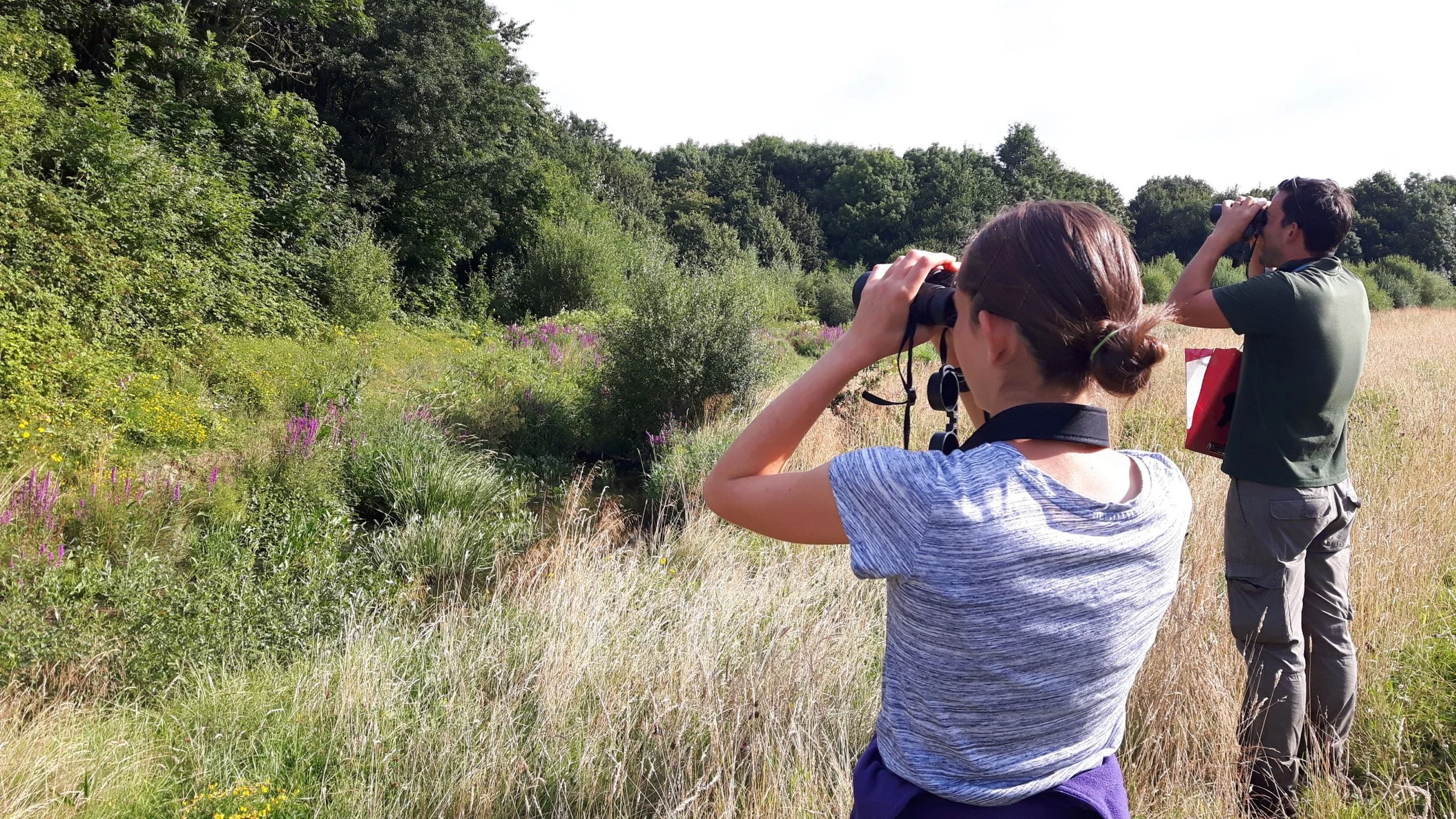
There is a lot to welcome here. The inclusion of 20 hours of fieldwork, with the option to run this on school grounds or through trips, will make the course accessible to more schools. The curriculum can also be tailored to local landscapes, so students learn about the wildlife on their own doorstep, building an understanding of nature close to home, how it changes over time, and supporting their wellbeing.
Studying natural history gives young people an understanding of the impacts on biodiversity over recent centuries, and how to reverse this trend, inspiring a new generation of advocates for nature regeneration. As nature recovery drives job growth worldwide, this GCSE is also an entry point into nature-based careers. There is huge potential here for future employment. It is therefore fundamentally important that the course reflects the latest scientific thinking and evidence.
Rewilding is a proven and effective approach to nature recovery — an exciting subject with huge grounds for hope and plenty of examples now happening across the UK at every scale. It deserves a clear place in the curriculum.
(Add a personal anecdote about what rewilding means to you here or why you think it’s important for young people.)
Question 11. Paragraphs 7 – 12 of the proposed subject content detail the requirements for the study of habitats and wildlife in the UK. Do you agree with these requirements?
Paragraph 7 and 8: Natural history has traditionally focused on species and habitats in isolation, assigning each species to a fixed habitat. The new GCSE continues this by dividing content into six habitat types which underpin the entire course. However, rewilding shows us that most species benefit from different habitats across seasons and over their lifetime. The curriculum should recognise the inherent limitations of fixed habitat definitions; providing a gateway into understanding ecosystems more holistically, as habitats in flux, with species moving dynamically between them.
Paragraph 10: Students learn how geology and soil shape habitats, but urban and farmland are explicitly excluded, despite being familiar to many young people and vital to landscape connectivity. The curriculum should explain how these habitats have evolved and what they offer wildlife, including the importance of developing land appropriately, for example, avoiding building houses on floodplains or farming on heavy clay soil.
Paragraph 11: The idea that a landscape, left to its own devices, inevitably evolves to a fixed ending, like dense woodland, is outdated. One of the most important insights of rewilding is how large, free-roaming animals, such as cattle, wild ponies, pigs and beavers, stimulate diversity. The natural disturbance of animals creates habitats, keeps land and water more open, encourages plant complexity and provides myriad opportunities for other life. There are other drivers of ecological disturbance, such as storms, droughts, floods, population booms and disease that also play an important role in an ecosystem. Recognising how dynamism affects habitat complexity and biodiversity is fundamental to understand nature today.
Question 12. Paragraph 13 of the proposed subject content details the requirements for the study of human influence on the natural world. Do you agree with these requirements?
Evidence now shows how limiting human management of nature can be, and how costly in terms of time, energy and money. Rewilding opens up a whole new world of opportunity, creating functioning and diverse ecosystems, not just on existing conservation sites but even on degraded land.
At large scale, free-roaming animals can act as ‘managers’ of the system: restoring the soil with their dung and disturbance, generating diverse habitats, creating and maintaining bodies of water, and providing nesting materials for other species. ‘No Take Zones’ and Marine Protected Areas demonstrate how quickly ecosystems can recover if simply left to their own devices. Allowing nature to take the lead eases the burden on human resources and creates a far more complex ecosystem than humans could ever come up with on their own.
The course’s current habitat management examples: marine, nature reserves, national parks, zoos and Sites of Special Scientific Interest (SSSIs), are highly interventionist, relying heavily on human management and control. The curriculum should recognise rewilding and natural processes as proven and cost-effective approaches to nature recovery.
Question 19. Is there anything you would like to feed back that is not covered in the questions above?
One of the aims of the GCSE is to “demonstrate knowledge of the global dynamic and important relationships between species, through study of migrations, introductions and invasions.”
Yet, migration does not appear in the course content. Migration is the heartbeat of ecosystems, with herds and flocks moving nutrients and creating changing disturbance through the seasons. Understanding this connected use of the landscape gives students the opportunity to see the importance of nature recovery from their doorstep, across the countryside and oceans, to other countries. From toads returning to their breeding ponds each spring, to storks and nightingales travelling to Africa and back. These movements are a crucial part of dynamic ecosystems and show the importance of connected nature recovery at scale, so should be reflected in the course content.
As evidence builds behind rewilding, it is becoming an increasingly mainstream approach to nature recovery and a huge source for hope. To inspire the next generation of nature restoration leaders and prepare them for the rising demand in nature-based jobs, rewilding should be directly mentioned and its principles integrated throughout the curriculum.
Thank you for considering my views within your consultation.
Sincerely,
(Add your name)